

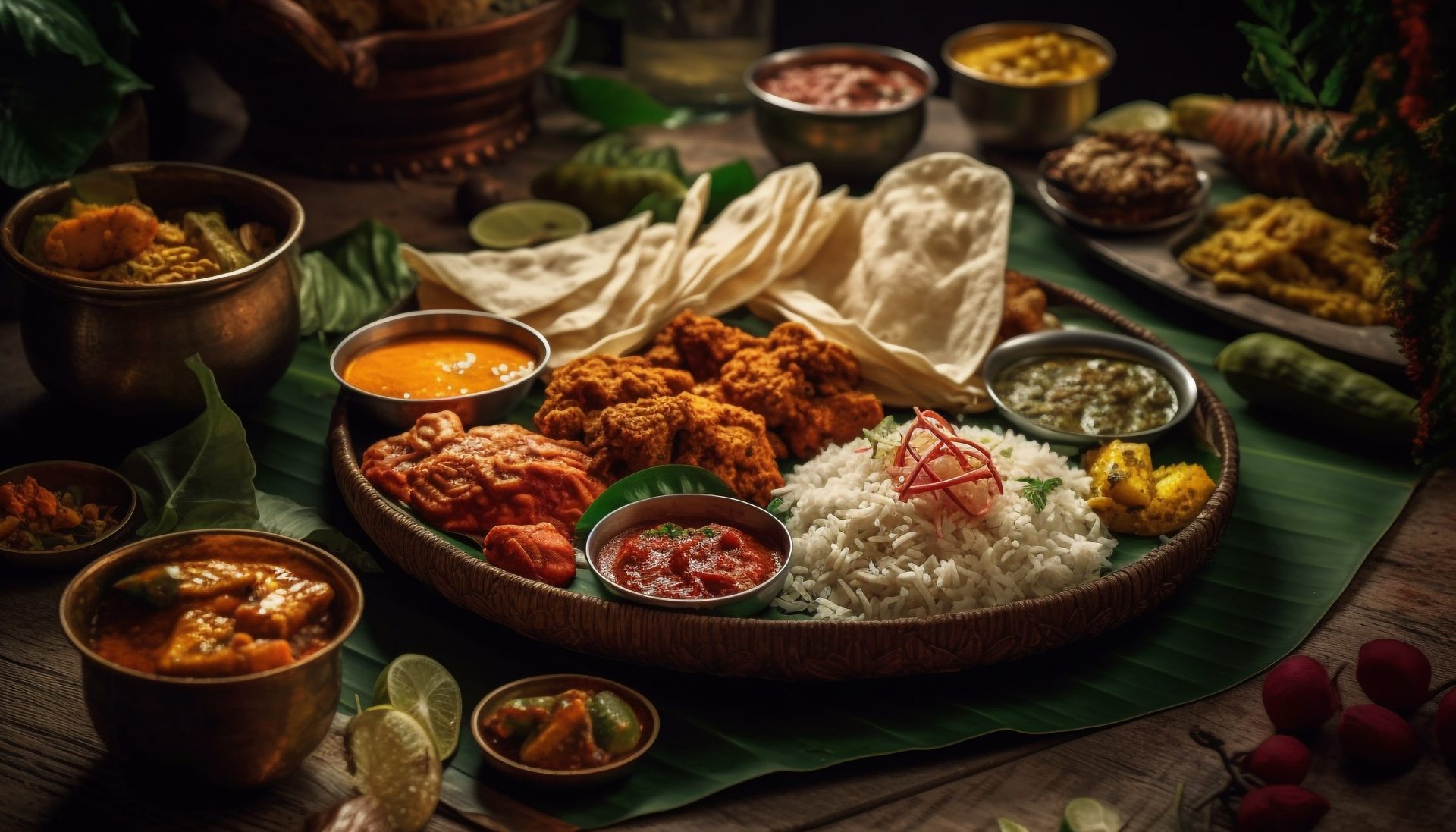
Coimbatore, a city known for its rich cultural heritage and vibrant food scene, has witnessed a remarkable evolution in its culinary landscape over the years. From traditional South Indian flavors to the emergence of multi-cuisine dining establishments, Coimbatore’s food culture reflects a blend of tradition and innovation. This blog delves into the journey of Coimbatore’s food culture, exploring the influences, trends, and transformations that have shaped the city’s diverse culinary offerings.
1. Traditional Flavors of Coimbatore:
Coimbatore’s culinary heritage is deeply rooted in traditional South Indian cuisine, characterized by a rich tapestry of flavors and ingredients. Staple dishes like Idli, Dosa, Sambar, and Rasam are synonymous with Coimbatore’s food culture and are enjoyed by locals and visitors alike. The use of indigenous spices such as curry leaves, mustard seeds, and asafoetida imparts a unique taste to traditional Coimbatorean dishes.
2. Historical Influences on Coimbatore’s Food Culture:
The history of Coimbatore’s food culture is intertwined with various influences from neighboring regions and colonial powers. The Chettinad cuisine from Tamil Nadu, Kerala’s seafood delicacies, and Karnataka’s vegetarian fare have all contributed to the diverse culinary landscape of Coimbatore. Additionally, British colonial influences introduced new ingredients and cooking techniques that have left a lasting impact on the city’s food scene.
3. Migration and Globalization:
The influx of people from different parts of India and abroad due to industrialization and economic opportunities has played a significant role in shaping Coimbatore’s food culture. Migration brought with it a fusion of culinary traditions, leading to the integration of diverse flavors and cooking styles in the city. Globalization further accelerated this process by introducing international cuisines to Coimbatore, expanding the culinary horizons of its residents.
4. Rise of Multi-Cuisine Restaurants:
In response to changing consumer preferences and a growing demand for diverse dining experiences, multi-cuisine restaurants have become increasingly popular in Coimbatore. These establishments offer a wide range of cuisines under one roof, catering to varied tastes and preferences. From traditional South Indian fare to Continental, Chinese, and North Indian dishes, multi-cuisine restaurants provide diners with an array of options to choose from.
5. Fusion Food Phenomenon:
Fusion cuisine has emerged as a prominent trend in Coimbatore’s food scene, blending traditional flavors with global influences to create innovative dishes that appeal to modern palates. Chefs in the city are experimenting with fusion concepts such as Indo-Chinese, Chettinad-Italian fusion, and South Indian tapas to offer diners a unique gastronomic experience. Fusion food not only showcases culinary creativity but also celebrates cultural diversity through food.
6. Changing Palates and Dining Preferences:
As Coimbatore undergoes urbanization and modernization, there has been a noticeable shift in consumer palates and dining preferences. Diners are increasingly open to exploring new cuisines and flavors beyond traditional South Indian fare. This evolving trend has led to a rise in demand for international cuisines, gourmet dining experiences, and fusion dishes that cater to diverse tastes.
7. Culinary Innovation and Experimentation:
Local chefs and restaurants in Coimbatore are at the forefront of culinary innovation, constantly pushing boundaries with creative dishes that showcase the city’s culinary prowess. From molecular gastronomy experiments to farm-to-table concepts that emphasize fresh, locally sourced ingredients, there is a spirit of experimentation that drives the evolution of Coimbatore’s food culture. Chefs are reinterpreting traditional recipes with modern twists while staying true to authentic flavors.
8. Sustainability Practices in Coimbatore’s Food Industry:
In recent years, there has been a growing emphasis on sustainability and eco-conscious practices within Coimbatore’s food industry. Restaurants are increasingly sourcing ingredients from local farmers and producers to support the community while promoting environmental sustainability. Initiatives such as reducing food waste, using biodegradable packaging, and implementing energy-efficient practices are becoming more prevalent among dining establishments in Coimbatore.
9. Future Trends in Coimbatore’s Food Culture:
Looking ahead, the future of Coimbatore’s food culture promises continued innovation, diversity, and sustainability. As the city embraces new culinary trends while preserving its traditional roots, there is an opportunity for further exploration of regional cuisines, artisanal products, and experiential dining concepts. The integration of technology in food delivery services, virtual dining experiences, and interactive cooking workshops is expected to shape the future dining landscape of Coimbatore.
The evolution of Coimbatore’s food culture from its traditional roots to a thriving multi-cuisine dining scene exemplifies the city’s dynamic spirit and openness to culinary diversity. By embracing tradition while welcoming innovation, Coimbatore has positioned itself as a culinary destination that caters to all tastes and preferences. From traditional South Indian flavors to global fusion creations, the city’s food culture continues to evolve with creativity, passion, and a commitment to sustainability. Peters Kitchen is dedicated to creating a memorable dining experience that satisfies the unique taste and food preferences of people who wanna explore different types of cuisine.
Summary:
This comprehensive blog post provides an extensive exploration of how Coimbatore’s food culture has evolved over time through historical influences, migration patterns, globalization impacts, the rise of multi-cuisine restaurants, fusion food trends, changing palates among diners, culinary innovation by local chefs, sustainability practices within the industry, future trends shaping the city’s dining landscape.