

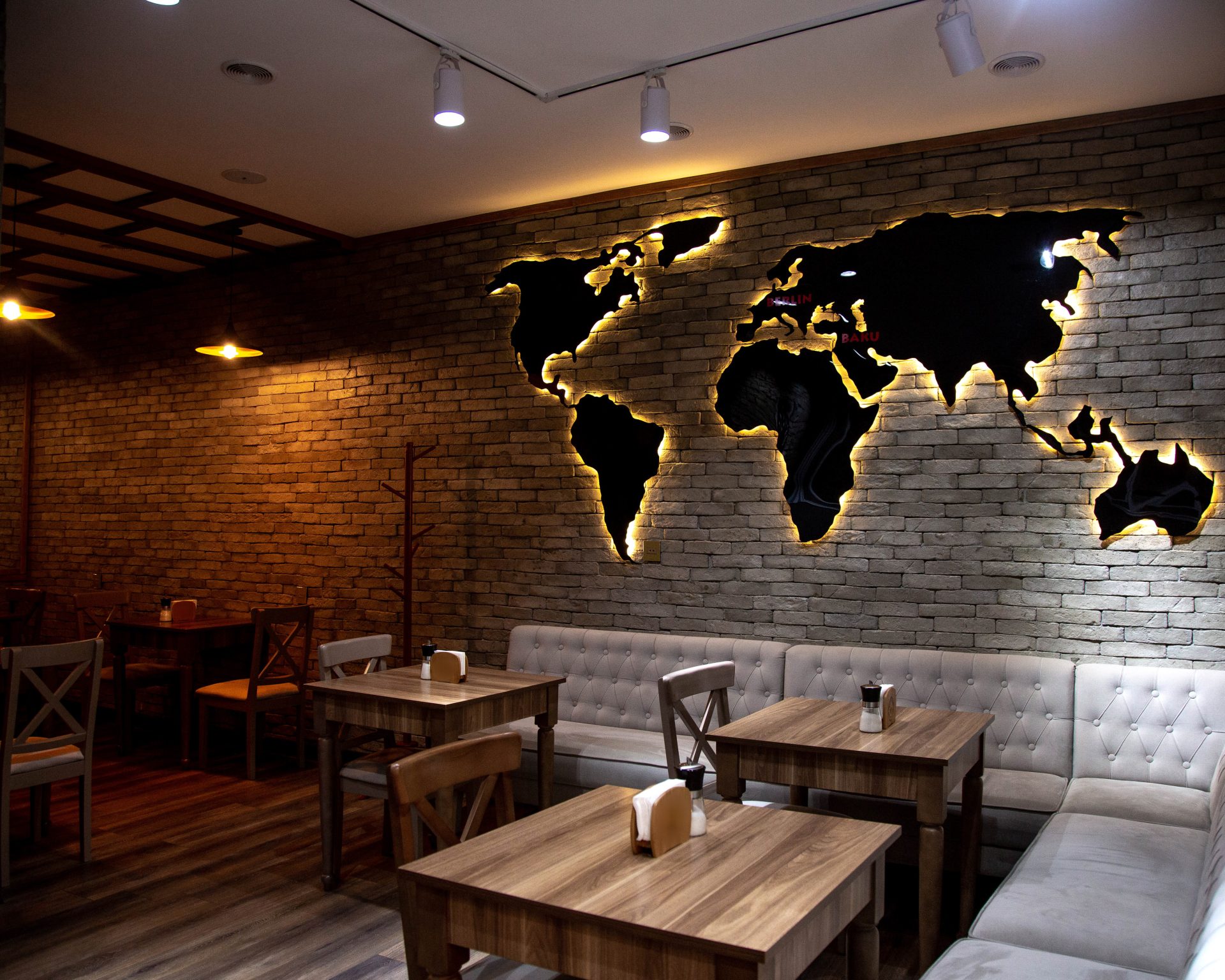
Are you tired of serving ordinary-looking dishes at your multi-cuisine restaurant? Then you must literally or like must ry Peters Kitchen and you will never regret it, infact your stomach will thank you later. You must never get a twilight or secondary alignment when it comes to the design and the other counterpart. Do you want to entice your customers with visually stunning food that leaves a lasting impression? Gotcha! In this article, we will explore the art of experimenting with lighting to enhance the food on the tables at your restaurant.
Lighting plays a nice role in creating an inviting and appetizing ambiance for diners. When used strategically, it can bring out the vibrant colors and textures of your culinary creations, making them look even more tempting. Whether you’re serving sushi, steak, or pasta, the right lighting can turn an ordinary dish into a work of art.
Importance of Presentation in the Food Industry
In the highly competitive food industry, presentation is key. Customers not only want to enjoy delicious food but also have a visually appealing dining experience. The way food is presented can greatly influence a customer’s perception of its taste and quality. One powerful tool that can elevate the presentation of your dishes is lighting.
How Lighting Can Enhance the Food on the Tables
The right lighting can make all the difference in how your food is perceived. By strategically placing warm and cool lights, you can create a balanced, flattering glow that highlights the best features of your dishes. Warm lighting, such as soft yellow or amber hues, can create a cozy and inviting atmosphere, perfect for intimate dining experiences. On the other hand, cool lighting, like blue or white tones, can enhance the freshness and vibrancy of dishes, particularly seafood and salads.
Using filters or diffusers can add a touch of elegance and drama to your food presentation. Softening the light with a diffuser can create a more natural and flattering glow, making your dishes look even more appetizing. Filters, on the other hand, can be used to add a subtle tint or color to the lighting, enhancing the overall visual impact of your food.
Different Types of Lighting Techniques for Food Presentation
Using Natural Light for a Fresh and Vibrant Look
One of the most effective ways to enhance the food on your tables is by utilizing natural light. Natural light has a unique quality that can make your dishes look fresh, vibrant, and appetizing. Position your tables near windows or skylights to take advantage of the natural light during the day. This technique works particularly well for brunch or lunchtime dining when the sunlight is at its brightest.
Creating a Cozy Ambiance with Warm Lighting
If your restaurant aims to create a cozy and intimate atmosphere, warm lighting is the way to go. Install warm-toned bulbs or use candlelight to create a romantic ambiance. This type of lighting can enhance the rich colors of dishes like roasted meat, pasta, or desserts, making them even more tempting.
Using Spotlights to Highlight Specific Dishes
To draw attention to specific dishes or ingredients, consider using spotlights. Spotlights can be strategically placed above or around the table, illuminating the main attraction. This technique works well for showcasing signature dishes or visually stunning desserts. By highlighting certain elements, you can create a focal point that captures the diner’s attention and creates anticipation.
Using Colored Lighting for a Unique and Creative Presentation
For a unique and creative food presentation, experiment with colored lighting. Colored lights can add a dramatic effect to your dishes and create a memorable dining experience. Consider using colored gels or LED lights to cast a subtle tint or hue on your food. This technique works particularly well for themed events or special occasions.
Experimenting with Different Lighting Setups
The key to enhancing the food on your tables is through experimentation. Different lighting setups can create varying effects, so don’t be afraid to try new things. Consider experimenting with different angles, intensities, and combinations of warm and cool lights. Take the time to observe how each setup affects the appearance of your dishes and adjust accordingly. By continuously experimenting, you can find the perfect lighting setup that best showcases the unique qualities of your cuisine.
Tips for Effective Lighting in a Multi-Cuisine Restaurant
Understand your cuisine:
Different cuisines require different lighting setups. Research the cultural and traditional aspects of the cuisine you serve and tailor your lighting accordingly.
Use dimmers:
Installing dimmers allows you to adjust the lighting intensity based on the time of day or the atmosphere you want to create.
Train your staff:
Teach your staff about the importance of lighting and train them on how to set up the lights properly. Consistency is key in creating a cohesive dining experience.
Regular maintenance:
Make sure to regularly check and replace bulbs to ensure that your lighting is always at its best. Burnt-out or flickering bulbs can ruin the ambiance and affect the presentation of your food.
By following these points and experimenting with lighting, you can enhance the food on the tables at your multi-cuisine restaurant and create a feast for the eyes as well as the taste buds. From using natural light to spotlights and colored lighting, there are countless techniques to explore and adapt to your restaurant’s unique ambiance and cuisine. So, don’t be afraid to get creative and let the power of lighting elevate your dining experience to new heights.